



A left ventricular assist device (LVAD) is a mechanical pump that supports heart function and blood flow in individuals with advanced heart failure. Recovery following LVAD implantation involves a comprehensive rehabilitation program aimed at optimizing physical function, enhancing quality of life, and ensuring patients can safely manage their device in daily life.
At INTEGRIS Health Jim Thorpe Rehabilitation, a multidisciplinary team works collaboratively to provide holistic care, guiding patients through their recovery process while addressing both the physical and emotional aspects of LVAD adjustment.
 Initial Recovery and Wound Management
Initial rehabilitation focuses on immediate concerns such as managing heart function, fluid balance, and preventing complications like infection or bleeding, ensuring the safety and comfort of the patient. Incisions and driveline sites are monitored closely to prevent infections.
Physical and Occupational Therapy
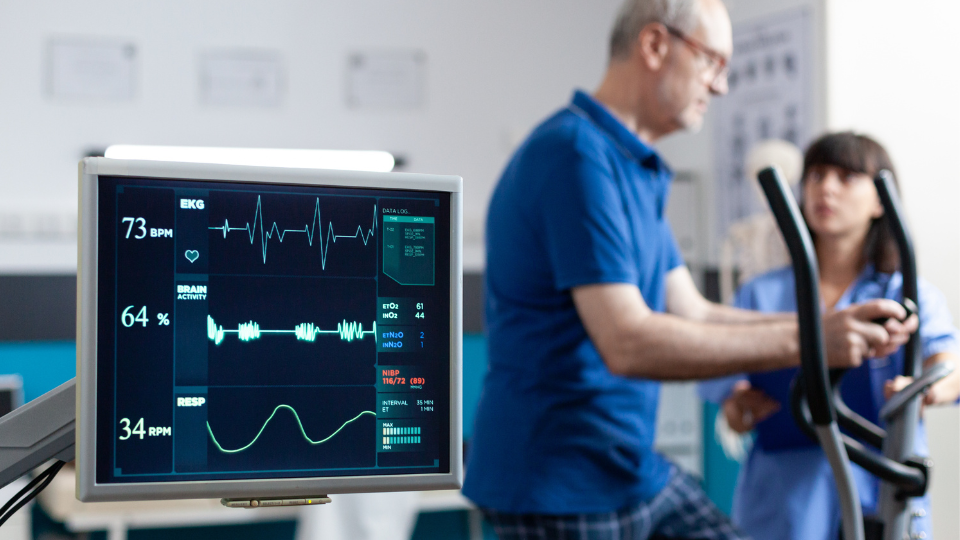
Once medically stable, rehabilitation begins with physical and occupational therapy aimed at improving mobility and functional independence. We create client centered therapy interventions that are focused on building strength, endurance, and teaching safe ways to move with the LVAD while considering device-specific precautions.
Psychological Support and Coping
Emotional support is crucial during recovery. Counseling or therapy helps patients cope with the emotional challenges of living with an LVAD, including addressing anxiety, depression and lifestyle changes.
Education on LVAD Care and Management
Our education focuses on proper driveline site care to prevent infection, including regular cleaning and dressing changes. Patients and caregivers learn how to safely handle LVAD components, including the driveline, power sources and backup batteries.
They are also taught to recognize signs of complications such as driveline infections, device malfunction, or changes in heart function, and when to seek medical help. Our training ensures patients or caregivers can confidently manage their LVAD and respond appropriately to potential issues.
Family and Caregiver Education
Family and caregiver education is essential. Caregivers are trained to assist with LVAD management, including driveline care, device handling and recognizing complications. The home environment may also need adjustments to ensure safety.
Transition to Home or Community-Based Care
As the patient progresses, our focus shifts to transitioning to home or outpatient care. The rehabilitation team ensures the patient has the tools, resources and support needed for ongoing recovery, including follow-up care, device management and continued therapy.
LVAD Support Groups and Communities
Financial Assistance and Insurance Guidance
LVAD Training and Education
Psychological and Emotional Support
Medical Equipment and Supplies
