



Organ transplantation is a life-changing medical procedure that can profoundly affect an individual’s physical, emotional and psychological well-being. Whether it is a kidney, liver, heart or other organ transplant, the process of recovery is multifaceted and requires extensive rehabilitation.
At INTEGRIS Health Jim Thorpe Rehabilitation, we specialize in supporting individuals throughout their transplant recovery journey, from post-operative care to reintegration into daily life.
We are dedicated to providing personalized and comprehensive care for transplant patients, ensuring they receive the support and rehabilitation needed for a successful recovery and return to a fulfilling life.
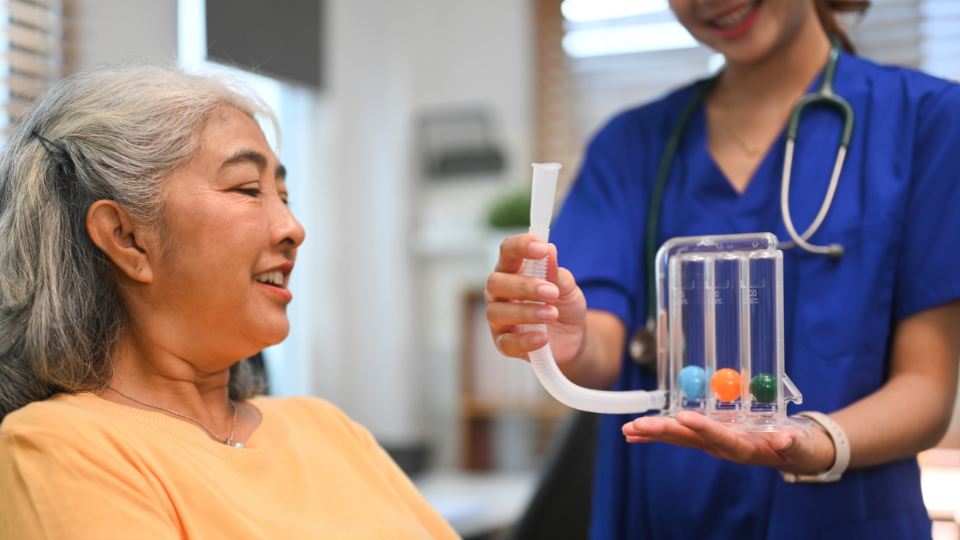
 Initial Post-Transplant Care
The first phase focuses on monitoring the transplant’s immediate success, managing surgical wounds and addressing any complications such as organ rejection or infection. This phase is critical for stabilization and ensuring the transplant is functioning properly.
Physical and Cognitive Rehabilitation
Once the patient is stable, rehabilitation begins with physical therapy to rebuild strength, mobility and independence. Cognitive rehabilitation may be necessary, especially if the transplant or recovery process affects mental clarity. Occupational therapy focuses on regaining functional independence for daily activities.
Psychosocial Support and Coping
Transplant patients may face emotional and psychological challenges during recovery. Our counseling services offer a supportive space for patients and families to adjust emotionally and cope with any mental health concerns arising from the transplant process.
Family and Caregiver Education
Education sessions for family members and caregivers focus on post-transplant care, including medication adherence, signs of complications and how to provide emotional and practical support during the recovery period.
Transition to Home or Community-Based Care
As the patient progresses, the focus shifts toward transitioning from inpatient rehabilitation to home care or community-based services. We provide resources and support to ensure a smooth transition and continued recovery after discharge.
Support Groups
Financial Assistance
Education and Advocacy
