



Brain injury is a significant medical event that can have profound effects on a person's physical, cognitive and emotional well-being. These injuries can result from various causes, such as trauma (e.g., accidents, falls, sports injuries), medical conditions (e.g., stroke, tumors, infections) or lack of oxygen to the brain. Brain injuries are commonly classified as:
Traumatic brain injury (TBI): Caused by external forces such as head trauma, falls or accidents. These injuries may be classified as mild, moderate, or severe concussions based on the extent of the damage.
Non-traumatic brain injury: Caused by internal factors such as stroke, anoxic brain injury (due to lack of oxygen), brain tumors or infections.
At INTEGRIS Health Jim Thorpe Rehabilitation, the rehabilitation process for brain injury is individualized, and the approach will depend on factors such as the type and severity, overall health and specific rehabilitation goals.
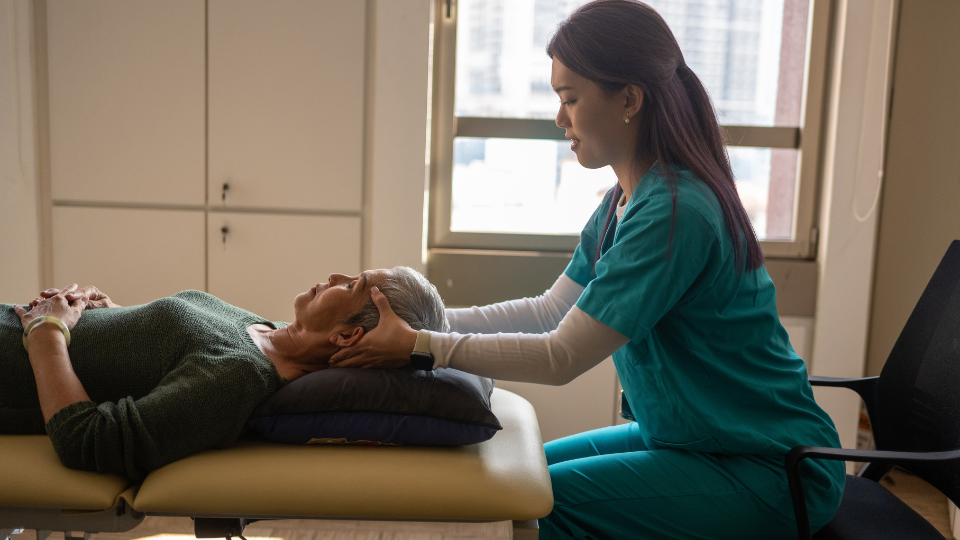
 Initial Care and Medical Stabilization
The first phase of rehabilitation focuses on stabilizing the patient medically. The team works to address any immediate life-threatening issues such as swelling in the brain, managing neurological symptoms, and ensuring the safety and comfort of the patient.
Physical and Cognitive Therapy
Once the patient is stabilized, rehabilitation begins. This phase involves physical and occupational therapy to improve mobility and functional independence. Cognitive rehabilitation focuses on addressing cognitive deficits like memory and attention, and speech therapy helps with communication and swallowing.
At INTEGRIS Health Jim Thorpe Rehabilitation, the majority of our therapists are certified brain injury specialists (CBIS).
Psychological Support and Coping
Emotional and psychological support is essential for brain injury recovery. Our counseling or therapy sessions provide a safe space for our patients to process their feelings and address any mental health challenges. Support for family members is also provided.
Family and Caregiver Education
Training for family members and caregivers is crucial. Our education sessions focus on helping families understand the challenges of brain injury, how to best support the patient, and how to adapt the home environment for a safe and comfortable transition.
Transition to Home or Community-Based Care
As the patient progresses, our focus shifts to transitioning from inpatient rehabilitation to outpatient care. Our rehabilitation team ensures that the patient has the tools, resources and support needed for continued recovery at home.
Brain Injury Resources
Educational Resources and Advocacy
Financial Assistance