



Amputation is a significant medical event that can have profound physical, emotional and psychological impacts on a person's life. Rehabilitation following an amputation aims to assist the individual in adjusting to their new body, enhancing their functional independence and improving their quality of life.
At INTEGRIS Health Jim Thorpe Rehabilitation, a multidisciplinary team works together to provide holistic care and support throughout the rehabilitation process.
Amputation may be the result for various causes, including trauma (e.g., accidents, military injuries), medical conditions (e.g., diabetes, vascular disease, infections), or congenital malformations. The type of amputation will influence the rehabilitation process. Common types of amputations include:
The rehabilitation process is individualized. The approach will depend on factors such as the level of amputation, overall health and personal goals for rehabilitation.
 Initial Care and Wound Management
The first phase of rehabilitation focuses on wound healing and residual limb care. The care team closely monitors the amputation site for signs of infection, irritation or complications. Pain management is a key aspect during this phase.
Physical and Occupational Therapy
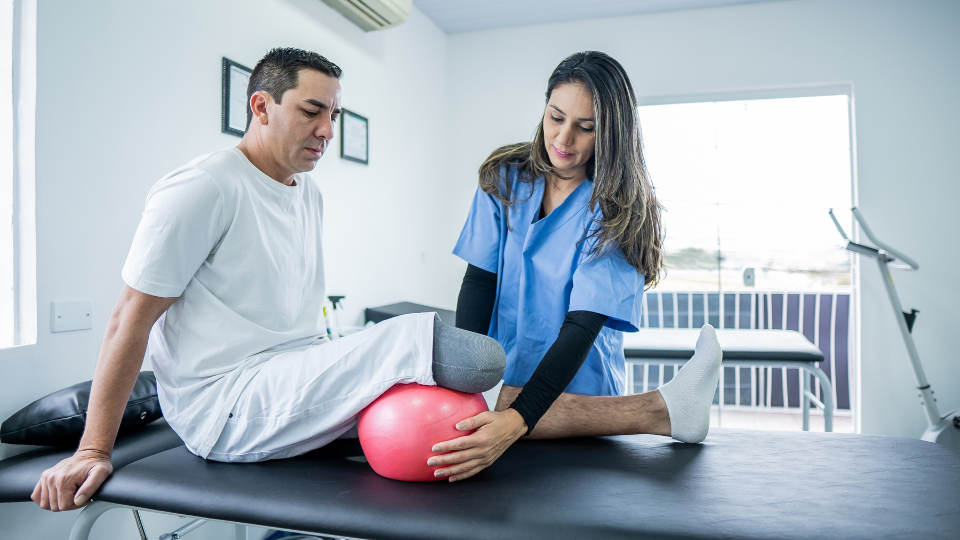
As the wound heals, physical and occupational therapy will begin. Our therapists focus on strengthening remaining muscles, improving mobility and learning to adapt to new ways of performing daily tasks.
Prosthetic Fitting and Training
Once the patient’s residual limb is healed and stabilized (typically 2-6 months after amputation), a prosthetic fitting is performed. The prosthetist will create a custom prosthesis, which may require multiple fittings and adjustments to ensure comfort and proper function. The physical therapist works alongside the prosthetist to help the patient learn how to use the prosthetic effectively, typically in the outpatient setting.
Psychological Support and Coping
Throughout rehabilitation, emotional support is provided to our patients through counseling, group therapy or individual sessions. Addressing the emotional and mental aspects of amputation is critical to achieving a successful rehabilitation outcome.
Transition to Home or Community-Based Care
As the patient progresses, the goal is to transition them from inpatient rehabilitation to home or outpatient care. Our rehabilitation team ensures that the patient has the necessary tools, support and resources to continue their recovery independently.
Educational Resources and Advocacy
National Limb Loss Resource Center (NLLRC): A program of the Amputee Coalition, providing resources, research and support for amputees and their families.
Amputee Coalition's Limb Loss and Limb Difference Awareness Month: A yearly event to raise awareness about the challenges and achievements of people with amputations.
Financial Assistance
Limbs for Life Foundation: Offers financial assistance for prosthetics for individuals without insurance or with inadequate coverage.
Amputee Coalition: Provides a variety of resources including financial assistance for prosthetic limbs and information on navigating insurance coverage for amputees.
Medicare and Medicaid: Both offer coverage for prosthetics, though eligibility and coverage details should be reviewed.
Prosthetists
American Board for Certification (ABC) in Orthotics, Prosthetics and Pedorthics: Provides a directory of certified prosthetists who can assist in prosthetic fitting, adjustments and training.
Prosthetic Clinics and Services: Many clinics offer personalized prosthetic design, fitting and rehabilitation.
Support Groups and Counseling
Amputee Coalition: Offers education, advocacy and a network of support for amputees. They provide local support groups, peer support and resources for adjusting to life with limb loss.
Limbs for Life Foundation: Provides free prosthetic limbs to individuals who are uninsured or underinsured.