SKIP TO CONTENT

Lakeside Women's Hospital

Lakeside ROSE Program

Postpartum Care for Mothers

Your health journey does not end when your baby arrives. The weeks and months after birth, known as the postpartum period, are a critical time for both you and your newborn.

Your body is healing, your hormones are shifting, and your daily routine is adjusting to new demands. This stage of life requires care that supports every part of you: physical, emotional and mental.

Our team provides follow-up visits, lactation support, pain management, pelvic health therapy and guidance on recovery milestones. Just as importantly, we recognize that your emotional well-being is essential.

Postpartum depression and anxiety affect 1 in 5 mothers. These conditions, while common, are serious when left untreated. Early support can protect both you and your baby from lasting effects.
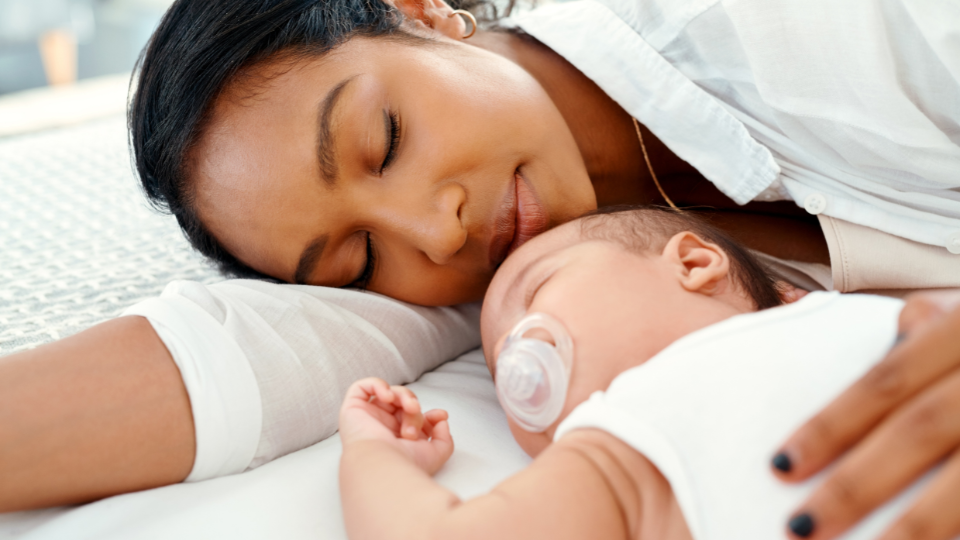
Tired mom resting with newborn baby 

ROSE Program at Lakeside Women's Hospital

ROSE stands for Reach Out, Stay Strong, Essentials for mothers of newborns. It is an evidence-based program cited in the U.S. Preventive Services Task Force recommendation on preventing perinatal depression. Our ROSE program is designed to help you prepare and recognize early signs of postpartum depression, while building skills that protect your well-being after birth.

Why ROSE?

Postpartum depression is a serious public health issue that can affect both mother and baby. ROSE uses short, structured sessions that teach practical coping skills and social support strategies. In randomized clinical trials, ROSE reduced cases of postpartum depression by about half among participants at higher risk.

Our Program Provides:

  • Education on maternal mental wellness before and after birth
  • Structured support through small group sessions and brief counseling
  • Skills for stress management, problem solving and building your support network
  • Clear plans for what to do if symptoms arise
  • Resources for ongoing care

Who is ROSE for?

  • Pregnant patients who want to lower their risk of postpartum depression
  • New moms in the first year after delivery who want added support
  • Partners and support persons are welcome for select sessions when appropriate

If you have a current diagnosis of depression, anxiety or bipolar disorder, ROSE can be a part of your care plan alongside your clinician's treatment.

Signs of Postpartum Depression

It is normal to feel tired, emotional or overwhelmed after giving birth. But if symptoms last longer than two weeks, worsen over time or interfere with your daily life, it may be postpartum depression.

Common signs include:

  • Persistent sadness, emptiness or hopelessness
  • Irritability, anger or frequent crying
  • Trouble bonding with your baby
  • Loss of interest in activities you used to enjoy
  • Difficulty sleeping or sleeping too much
  • Feeling anxious, restless or constantly worried
  • Changes in appetite or energy levels
  • Thoughts of harming yourself or your baby

If you notice these symptoms, reach out right away. If you ever feel like you may harm yourself or your baby, call 988 immediately or dial 911 in an emergency.

mother and child

Struggling with Breastfeeding? Lactation Consultants Can Help

Breastfeeding can be rewarding, but it's not always easy. Many new moms face challenges that leave them feeling overwhelmed. Whether you’re experiencing pain, worrying about milk supply or a clogged duct, you don't have to go through it alone.

Rainbow Baby: Getting Pregnant After Child Loss

Losing a child is one of the most difficult experiences any parent can face, bringing a wave of grief that is often hard to process. Yet, for many, the desire to grow a family remains, and in time, they choose to try again. The term “rainbow baby” captures the hope and healing that can come after such a tragic loss, symbolizing a new beginning after sorrow.

Postpartum Anxiety: What are the Symptoms and Treatment Options?

Postpartum anxiety describes anxiety – intense, excessive and persistent worry – that mothers or new parents experience in the first 12 months after the birth of their child. Many parents worry about their newborn, whether it’s health or development.