







Ankle Mobility Exercises to Improve Strength and Range of Motion
Posted in

It’s easy to take your ankles for granted – until they’re not working as they should. The simple act of rolling your ankle in a circular motion might seem effortless, but behind the scenes, a complex team of bones, ligaments, tendons and muscles is hard at work.
These structures coordinate seamlessly to provide the strength, stability and flexibility needed for smooth, controlled movement. However, injuries, overuse or certain conditions can throw this balance off, leaving the ankle unstable and limiting mobility. The good news? Targeted stretches and exercises can help restore function, improve strength and get you moving comfortably again.
In this blog, we speak to Lewis Baumgardner, a physical therapist at INTEGRIS Health Jim Thorpe Outpatient Rehabilitation Edmond, to learn more.
“It is so rewarding to help patients recover from an ankle injury,” Baumgardner says. “I focus on listening to their struggles, tailor the focus toward their goals and set clear expectations. I work with them to ease their fears and guide them back toward independence and fun activities.”
What causes ankle mobility issues?
Key points: Ankle mobility issues are more common than you’d think, and when your range of motion is restricted, even simple daily tasks can become difficult. These issues may stem from injuries, medical conditions and lifestyle factors.
Acute or past ankle and foot injuries are one of the most frequent causes of limited mobility.
- Ankle sprains occur when the ligaments around the ankle are overstretched or torn, leading to swelling, pain and stiffness.
- A broken ankle bone can disrupt the joint’s alignment, causing stiffness and a reduced range of motion after healing.
- Tears or inflammation in the Achilles tendon can severely impact ankle flexibility.
Certain chronic conditions can take a toll on ankle mobility by causing pain, inflammation or joint degeneration.
- Osteoarthritis can wear down the cartilage in the ankle joint over time, while rheumatoid arthritis causes inflammation that stiffens the joint.
- Overuse or repetitive movements can lead to inflammation of the tendons (tendonitis), particularly in the Achilles or peroneal tendons.
- Build-up of scar tissue from surgery or injury can create restrictions in the joint, especially if the ankle wasn’t properly mobilized during the healing phase.
- Gout is a form of arthritis caused by the accumulation of uric acid crystals in the joint, leading to severe pain and reduced mobility during flare-ups.
Day-to-day habits and choices can also heavily influence ankle health and mobility.
- Sedentary lifestyles can lead to tightness in the muscles and tendons that support the ankle.
- Frequently wearing high heels or shoes with inadequate support can alter your gait and place strain on the ankle.
- Activities like running on hard surfaces or repetitive jumping without enough recovery to allow for tissue healing can lead to wear and tear, inflammation and eventual stiffness in the ankle.
- Failing to stretch or cool down properly after workouts can leave the muscles and tendons surrounding the ankle tight, tender and inflexible.
Structural or functional imbalances elsewhere in the body can also manifest as reduced ankle mobility.
- Abnormal foot structure (flat feet or high arches) can affect how force is distributed through the ankle, leading to uneven pressure and restricted mobility over time.
- Uneven leg lengths can cause compensatory movement patterns, which place additional stress on the ankle and may limit its range of motion.
The natural aging process also contributes to decreased ankle flexibility.
- Over time, joint cartilage breaks down, ligaments lose elasticity and muscle strength declines, all of which can reduce the joint’s range of motion.
Ankle mobility stretches and exercises to try
Why it matters: Improving ankle mobility is essential for maintaining balance, flexibility and overall lower body strength. Each exercise includes instructions, the muscles it works and tips for proper execution.
Ankle circles
Targets: Tendons and ligaments in the ankle joint
How to perform:
- Sit on a chair or the floor with one leg extended.
- Rotate your ankle slowly in a clockwise direction 10 to 15 times.
- Reverse the motion, going counterclockwise for the same count.
- Repeat on the other ankle.
Tips: Keep movements slow and controlled. Focus on large movements trying to achieve a full range of motion in the joint. This is a great warm-up exercise.
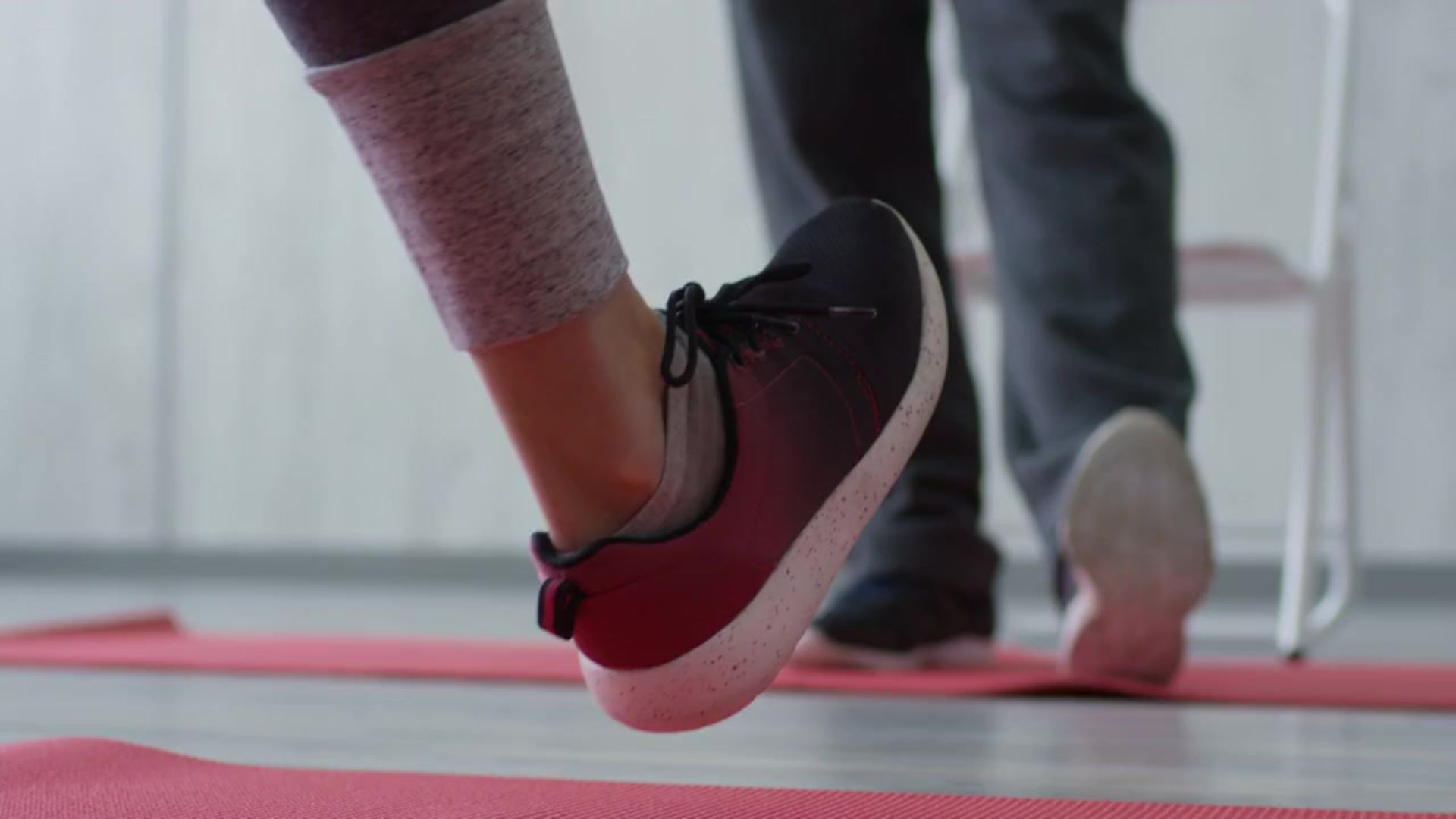
Calf stretch
Targets: Gastrocnemius and soleus muscles
How to perform:
- Stand facing a wall with one foot about a step behind the other.
- Bend your front knee while keeping the back leg straight and the heel flat on the ground.
- Lean into the stretch until you feel a gentle pull in your calf.
- Hold for 20 to 30 seconds, then switch legs.
Tips: To emphasize the soleus, slightly bend the back knee during the stretch.

Toe raises
Targets: Tibialis anterior muscle (front shin area)
How to perform:
- Stand with your feet shoulder-width apart and place a hand on a wall or countertop for balance if needed.
- Lift your toes off the ground while keeping your heels planted.
- Hold for two seconds, then lower your toes back down.
- Repeat for 12 to 15 repetitions.
Tips: If this is too challenging, perform the exercise while seated and gradually work toward standing.
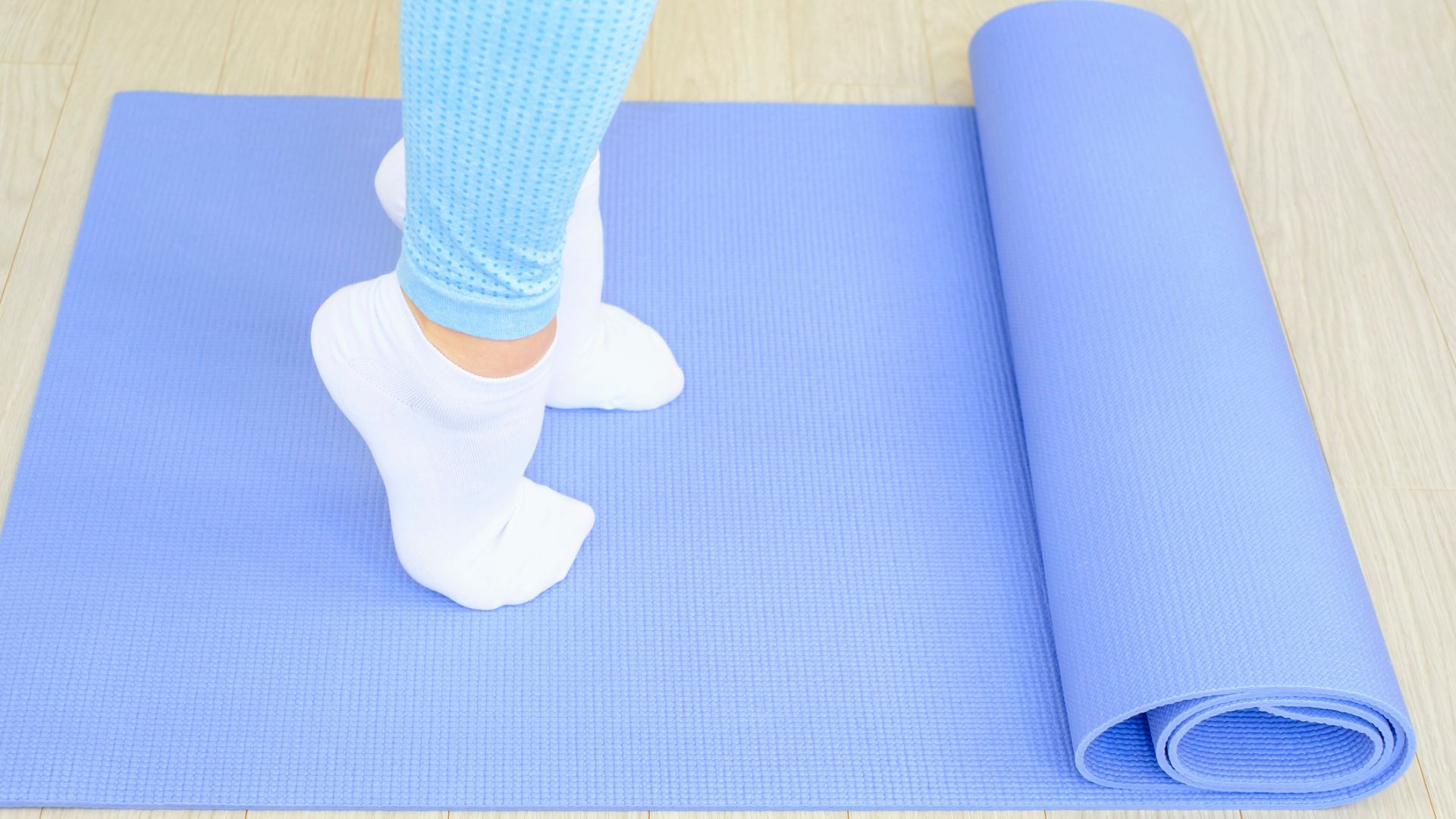
Standing heel drops
Targets: Achilles tendon and calf muscles
How to perform:
- Stand on a step or elevated surface with your heels hanging off the edge and place a hand on a wall or countertop for balance if needed.
- Lower both heels below the step until you feel a stretch in your calves.
- Slowly lift your heels to return to the starting position.
- Perform 10 to 12 repetitions.
Tips: For a more intense stretch, perform the exercise one leg at a time.

Foam roller calf release
Targets: Calf muscles (gastrocnemius and soleus)
How to perform:
- Sit on the floor with your legs extended, placing a foam roller under one calf.
- Lift your hips slightly off the ground and roll the foam roller along your calf muscle, from the ankle to just below the knee.
- Spend extra time rolling over any tight spots.
- Rotate your foot outward to address tight spots on the outer part of your calf and rotate inwards to address tighter spots on the inner part of your calf.
- Repeat for one to two minutes per leg.
Tips: Cross the opposite leg over the working leg for added pressure.

Heel-toe rocking
Targets: Ankle joint flexibility and stability
How to perform:
- Stand with your feet flat on the ground and place a hand on a wall or countertop for balance if needed.
- Gently rock forward onto your toes, lifting your heels off the ground.
- Shift your weight back onto your heels, lifting your toes off the ground.
- Repeat for 15 to 20 gentle rocks.
Tips: Use a wall or chair for balance if necessary. Focus on controlled transitions to improve stability.
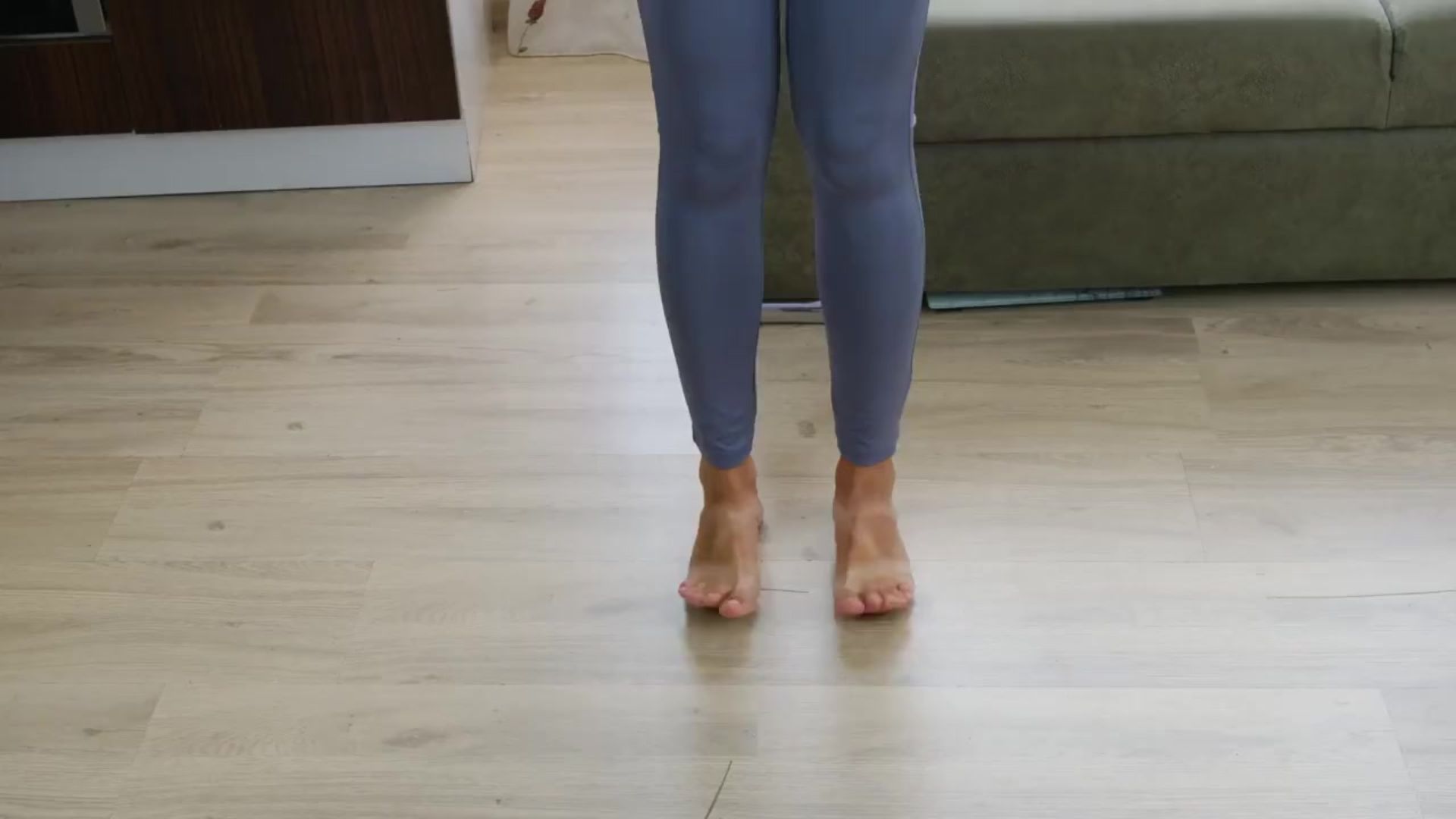
Alphabet exercise
Targets: Ankle joint mobility
How to perform:
- Sit on a chair or lie on your back with one leg forward and foot slightly off the floor.
- Use your foot to “trace” the letters of the alphabet in the air, moving from A to Z.
- Repeat with the other foot.
Tips: This is a great recovery exercise that encourages mobility in all directions.
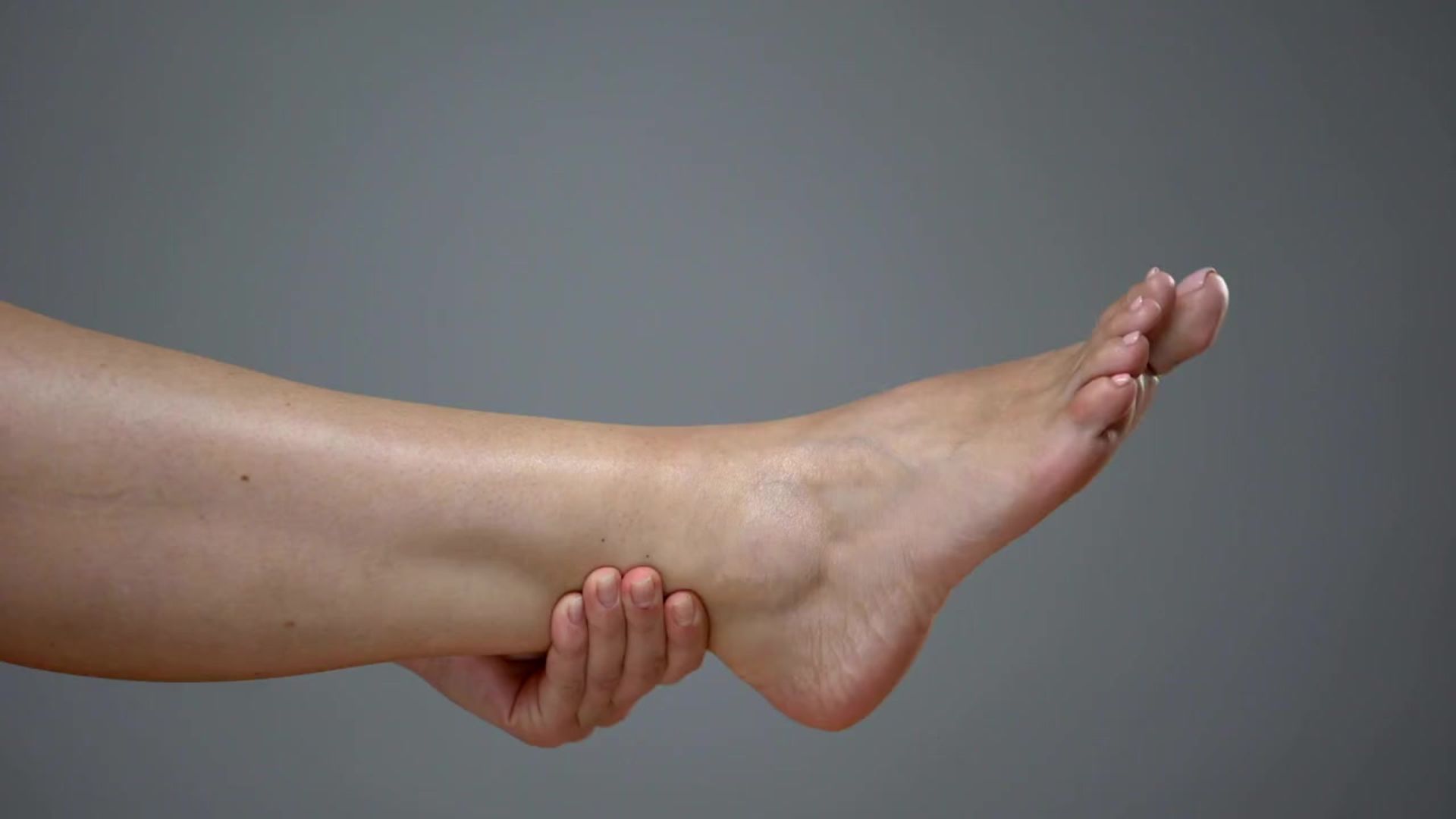
Lunges with ankle stretch
Targets: Achilles tendon and ankle dorsiflexion
How to perform:
- Step one foot forward into a lunge position, keeping the front knee aligned over the ankle.
- Push your front knee forward slightly, stretching the ankle joint while keeping your heel planted on the ground.
- Hold for 15 to 20 seconds, then switch sides.
Tips: Use a wall or chair for balance, and don’t allow the back knee to touch the ground.

Next steps: If you’re experiencing chronic ankle instability, contact your primary care provider. They can refer you to an orthopedic surgeon who specializes in foot and ankle injuries or a physical therapist to strengthen and rehabilitate the ankle.

Explore Locations and Services
With several locations throughout Oklahoma, expert orthopedic care is within reach.


