






Burns and Healing: What Your Skin Needs After an Injury
Posted in

Burn accidents happen unexpectedly, whether from a kitchen mishap or a moment of carelessness around a hot object. Knowing what to do after a burn accident is critical for healing and minimizing scarring.
At INTEGRIS Health, we understand the importance of proper burn care. Proper aftercare ensures your skin recovers as quickly and completely as possible, helping you avoid infection and other complications. Here, we’ll discuss important things to know about treating burns, immediate first aid, and even long-term healing strategies. That way, you can confidently manage the injury and support your skin’s recovery.
We speak to Christopher Lentz, M.D., a board-certified burn surgeon and medical director of the INTEGRIS Health Paul Silverstein Burn Center, to learn more.
“Our team is committed to managing burn injuries in all ages,” Lentz says. “We will come up with a treatment plan that is simple and helps ensure timely healing.”
Understanding burns and their impact on your skin
What to know: Burns are classified by degree indicating the depth of tissue damage. First-degree burns affect the outermost layer of skin, second-degree burns penetrate deeper and third-degree burns damage all skin layers and underlying tissues. Understanding the type of burn you have is the first step toward proper burn treatment.
- Each degree of burn requires a different approach to care.
- The severity determines whether you can treat the burn at home or need professional medical attention.
- Prompt and correct care can significantly impact healing and reduce the risk of long-term damage.
First-degree burns are superficial, affecting only the epidermis, the outer layer of skin. These burns typically cause redness and pain but do not result in blisters. They often occur from minor incidents like a brief touch of a hot surface or a mild sunburn.
- Symptoms include redness, minor inflammation, swelling and pain.
- The skin remains intact, without blisters.
- These burns usually heal within a week without scarring.
Second-degree burns are more serious, damaging both the epidermis and the dermis, the layer beneath. These burns are characterized by blisters, significant redness and severe pain. They can result from contact with boiling water, flames or chemicals.
- Blisters are a hallmark sign of a second-degree burn.
- The burn site will be red, swollen and painful.
- There is a higher risk of infection because the skin barrier is compromised.
Third-degree burns are the most severe, extending through all layers of the skin and potentially affecting underlying fat, muscle and even bone. The skin may appear white, leathery or charred. Nerve damage is common, so the burn area might be numb instead of painful.
- These are considered full-thickness burns.
- Symptoms include a charred, white or blackened appearance.
- Nerve damage can cause a lack of pain at the burn site itself.
Immediate steps to take after a burn injury
What to do: Acting quickly after a burn can make a significant difference in the outcome. The initial moments are crucial for minimizing tissue damage and preventing further injury. Taking the right steps immediately can help reduce pain and lower the risk of infection.
- Hold the area under cool running water for about 10 minutes to cool the burn. Do not use ice or ice-cold water.
- Cover the burn with a sterile, non-stick bandage or a clean cloth to protect it.
- Avoid popping any blisters that form, as they act as a natural barrier against infection.
- Seek immediate medical attention for any severe burn or if you are unsure of the severity. This is a critical step for emergency burn care.
The do’s and don’ts of burn aftercare
The basics: Proper burn aftercare is essential for healing and preventing complications. Following a consistent routine will help your skin repair itself while minimizing discomfort and the risk of infection. Knowing what to do and what to avoid is key.
- Gently clean the burn daily using mild soap and water to prevent infection and promote healing.
- Apply recommended ointments or dressings as advised by a health care professional to protect the burn and aid recovery.
- Avoid breaking any blisters that form to reduce the risk of infection and further skin damage.
- Monitor the burn carefully for signs of infection, such as increased redness, swelling or unusual discharge, and seek medical guidance if these occur.
Do keep the wound clean and moisturized. Gently cleaning the burn with mild soap and water is important to prevent infection. After cleaning, applying a thin layer of an appropriate moisturizer or ointment helps keep the skin hydrated and promotes healing.
- Clean the burn area daily with mild soap and cool water.
- Pat the area dry gently with a clean cloth.
- Apply a recommended moisturizer or antibiotic ointment to keep the skin from drying out.
Don’t expose the burn to direct sunlight. Burned skin is extremely sensitive to ultraviolet (UV) radiation. Exposing a healing burn to the sun can cause hyperpigmentation, which is a darkening of the skin, and may increase scarring. It can also cause further damage to the delicate new skin.
- Keep the burn covered with clothing or a bandage when outdoors.
- Once healed, apply a broad-spectrum sunscreen with a high SPF to the area.
- Sun protection is crucial for at least a year after the injury to prevent long-term discoloration.
Do use doctor-recommended ointments or dressings. For second-degree burns or more severe injuries, your doctor may prescribe specific creams, such as silver sulfadiazine, or recommend specialized dressings. These products are designed to fight infection and create an optimal healing environment.
- Only use ointments and dressings prescribed or recommended by a health care professional.
- Follow your doctor’s instructions for application and changing dressings.
- Using the correct products is a vital part of effective wound care for burns.
Don’t use home remedies without consulting a professional. While many home remedies are popular, things like butter, oil or toothpaste should never be applied to a burn. These substances can trap heat, slow down healing and increase the risk of infection.
- Avoid applying home remedies like butter, oils or egg whites.
- Some substances can contaminate the wound and worsen the damage.
- Always consult a health care provider before trying any alternative treatments on a burn.
Find a doctor for expert burn care in Oklahoma
Your next steps: Don’t leave your recovery to chance. The INTEGRIS Health Paul Silverstein Burn Center in Oklahoma offers expert, personalized treatment plans to help you heal. Our dedicated team of specialists provides comprehensive burn care, from initial injury through long-term recovery. Let us guide you every step of the way.
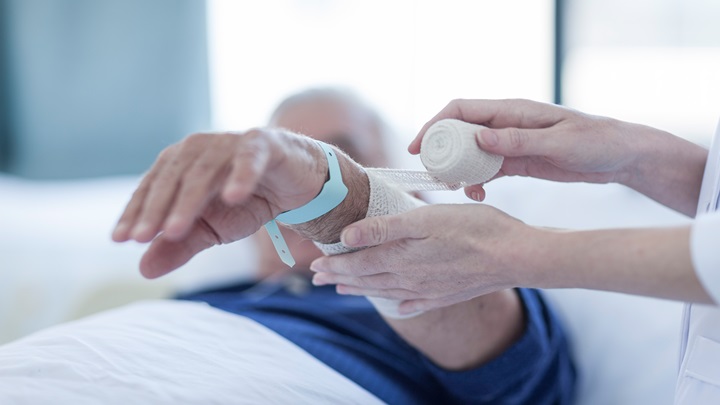
Burn and Wound Care
At INTEGRIS Health, we use advanced tools for diagnosing and treating burns and non-healing wounds. Our team provides a comprehensive suite of services that include diagnostic testing and inpatient and outpatient care to aid in your recovery.